




Blogs

Discover tips, guides, and inspiration for your next adventure.

Sustainable Travel: How to Reduce Your Carbon Footprint
Travel Tips Feb 17, 2026

Sustainable Travel: How to Reduce Your Carbon Footprint

Travel broadens minds and connects cultures, but it also carries an environmental cost. The good news is that with thoughtful choices, you can significantly reduce your impact while still having extraordinary experiences. Transportation Choices Matter Most Flying accounts for the largest portion of a trip's carbon footprint. When possible, take trains - a London-to-Paris Eurostar journey produces 90% less CO2 than the equivalent flight. When flying is necessary, choose direct flights (takeoffs and landings burn the most fuel), fly economy (more passengers per flight), and consider carbon offset programs. Choose Accommodation Wisely Look for hotels with genuine environmental certifications like Green Key or EarthCheck. Eco-lodges and locally-owned guesthouses typically have lower environmental impact than large resort chains. Simple actions like declining daily towel and linen changes, turning off AC when you leave, and avoiding single-use toiletries make a real difference. Eat Local, Eat Seasonal Eating at locally-owned restaurants that source ingredients from nearby farms supports the local economy and reduces food miles. Visit farmers markets, try regional specialties, and embrace plant-forward dining when possible. Carrying a reusable water bottle, cutlery, and shopping bag eliminates countless single-use plastics. Responsible Wildlife Tourism Never ride elephants, walk with lions, or visit attractions that exploit animals. Choose operators accredited by responsible tourism organizations. Maintain safe distances from wildlife, do not feed animals, and remember that the best wildlife encounters are those where animals behave naturally. Your Sustainable Travel Checklist Pack a reusable water bottle, bag, and utensils Choose direct flights and economy class when possible Offset unavoidable emissions through verified programs Support locally-owned businesses and guides Respect local cultures, customs, and environments Leave every place cleaner than you found it

Read More arrow_forward

A Food Lover Guide to Istanbul
Food & Dining Feb 07, 2026

A Food Lover Guide to Istanbul

Istanbul is where East meets West - and nowhere is this more delicious than in its food. From dawn-to-dusk street snacks to elaborate Ottoman-era dishes, the city offers a culinary journey that spans centuries and continents. Breakfast: The Turkish Morning Ritual Turkish breakfast (kahvalti) is a grand affair. Tables are covered with small plates of olives, tomatoes, cucumbers, several cheeses, honey with kaymak (clotted cream), eggs, sucuk (spiced sausage), and warm bread. Namli Gurme in Karakoy and Van Kahvalti Evi in Beyoglu serve the most celebrated spreads in the city. Street Food Essentials Start with a simit - the sesame-crusted bread ring sold from red carts on every corner. Follow it with balik ekmek (grilled fish sandwich) at the Galata Bridge, where fishermen bob on boats while grilling mackerel fresh from the Bosphorus. In the afternoon, try midye dolma (stuffed mussels) from the stalls near Taksim Square. The Grand Bazaar and Spice Market Beyond shopping, these historic markets are food destinations. Sample Turkish delight (lokum) in dozens of flavors, sip freshly ground Turkish coffee, and buy sumac, pul biber, and baharat spice blends to recreate Turkish flavors at home. The rooftop Hamdi Restaurant at the Spice Market offers incredible kebabs with Golden Horn views. Dinner: Where to Eat For traditional meyhane (tavern) dining with meze and raki, head to Asmali Mescit in Beyoglu. Ciya Sofrasi in Kadikoy serves regional Anatolian dishes you will not find anywhere else. For a splurge, Mikla offers modern Turkish cuisine with panoramic Bosphorus views from the 18th floor of the Marmara Pera hotel. Do Not Miss Kunefe - hot cheese pastry soaked in syrup Lahmacun - thin, crispy flatbread with spiced meat Iskender kebab - doner on bread with tomato sauce and butter Ayran - salted yogurt drink, the perfect kebab companion Baklava - Karakoy Gulluoglu is the undisputed king

Read More arrow_forward
The Most Stunning Hiking Trails in the World
Adventure Tours Jan 28, 2026

The Most Stunning Hiking Trails in the World

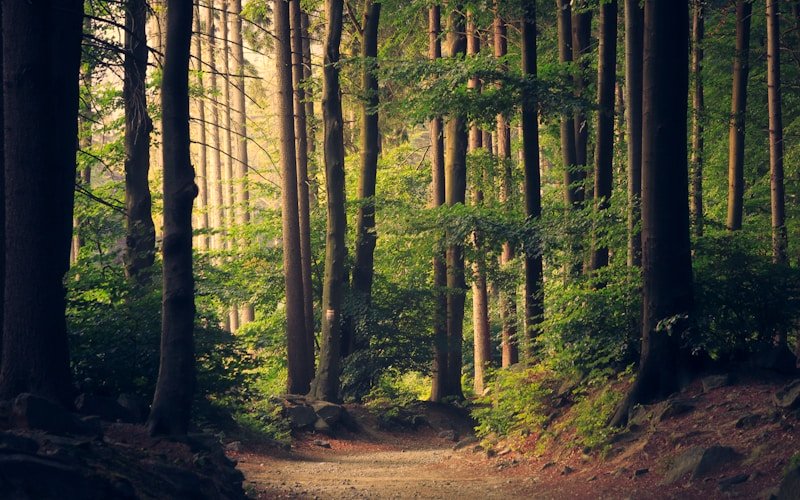
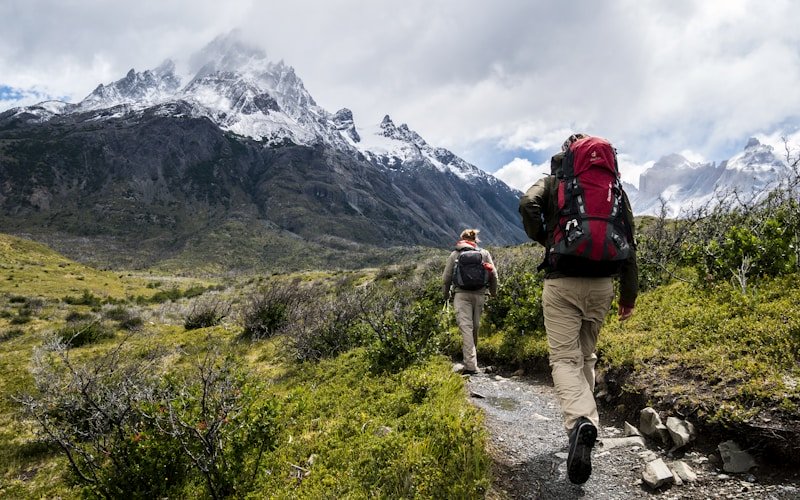
There is no better way to experience dramatic landscapes than on foot. These trails combine physical challenge with extraordinary scenery, cultural encounters, and the deep satisfaction that comes from earning every view. Inca Trail to Machu Picchu, Peru This 4-day, 43-km trek through the Andes culminates at the Sun Gate overlooking Machu Picchu at dawn. Limited to 500 people per day (including guides and porters), permits sell out months in advance. The trail passes through cloud forest, alpine tundra, and several impressive Inca ruins before the final descent to the lost citadel. Tour du Mont Blanc, France/Italy/Switzerland This 170-km circuit around the highest peak in Europe takes 10-12 days, passing through three countries. Mountain refuges provide meals and dormitory beds, so you can hike with minimal gear. Each day brings new scenery: glaciers, wildflower meadows, dramatic passes, and charming alpine villages. Milford Track, New Zealand Dubbed the finest walk in the world, this 53-km track through Fiordland National Park traverses temperate rainforest, alpine passes, and the highest waterfall in the country. Bookings open a year in advance and fill almost immediately - plan early. Camino de Santiago, Spain The 800-km pilgrimage route from the French border to Santiago de Compostela takes about 30 days. Unlike remote wilderness treks, the Camino passes through villages and cities, with abundant accommodation and food options. The communal spirit among pilgrims creates friendships that last a lifetime. Preparation Tips Break in your hiking boots thoroughly before any multi-day trek Train with progressively longer walks carrying your full pack Invest in quality merino wool socks and moisture-wicking base layers Carry water purification tablets as a backup Acclimatize to altitude gradually on high-altitude treks

Read More arrow_forward
How to Plan Your First Solo Trip
Travel Tips Jan 18, 2026

How to Plan Your First Solo Trip

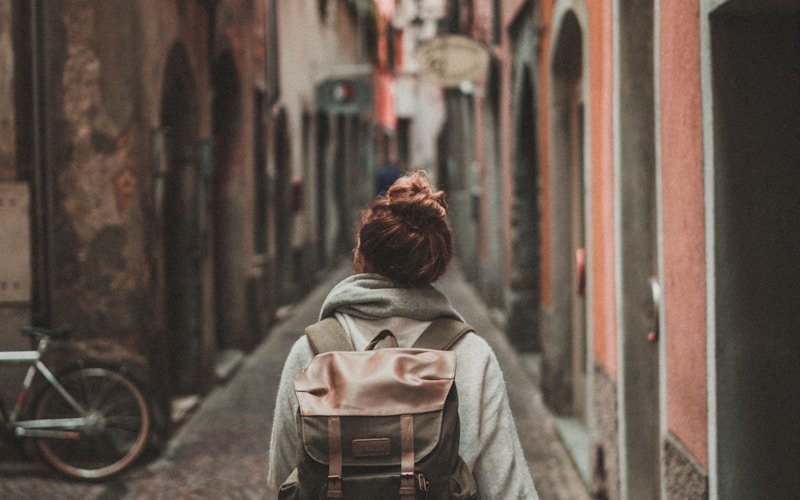
Solo travel is one of the most empowering experiences you can have. The freedom to go where you want, eat when you want, and change plans on a whim is liberating. But the first solo trip can also feel daunting. Here is everything you need to know to make it incredible. Choosing Your First Destination Start with a destination that is traveler-friendly, has good infrastructure, and uses a language you are comfortable with. Portugal, Japan, New Zealand, and Colombia consistently rank as the safest and most welcoming countries for solo travelers. Look for places with active hostel scenes where meeting people is effortless. Safety Essentials Share your itinerary with someone at home. Keep digital copies of all important documents in cloud storage. Trust your instincts - if something feels wrong, leave. Stay in well-reviewed accommodations and avoid walking alone in unfamiliar areas late at night. A doorstop alarm is a cheap, lightweight security tool for hostel rooms. Meeting People Stay in hostels with communal kitchens and common areas. Join free walking tours. Use apps like Meetup or Couchsurfing Hangouts to find local events. Take group activities like cooking classes, pub crawls, or day tours. Most solo travelers find that loneliness is rarely a problem - making too many friends can actually be the challenge. Dealing with Loneliness It is normal to feel lonely occasionally. Bring a journal, call home when you need to, and remember that these moments of solitude often lead to the most profound personal growth. Solo dining gets easier after the first time - bring a book, sit at the bar, or people-watch. Budgeting for One Solo travel can be more expensive since you cannot split accommodation and transport costs. Counter this by staying in dorms, eating street food, and using public transport. Many tours and excursions offer single supplements, but booking through hostels or local operators often avoids these.

Read More arrow_forward
Island Hopping in Greece: The Perfect 2-Week Itinerary
Destination Guides Jan 08, 2026

Island Hopping in Greece: The Perfect 2-Week Itinerary

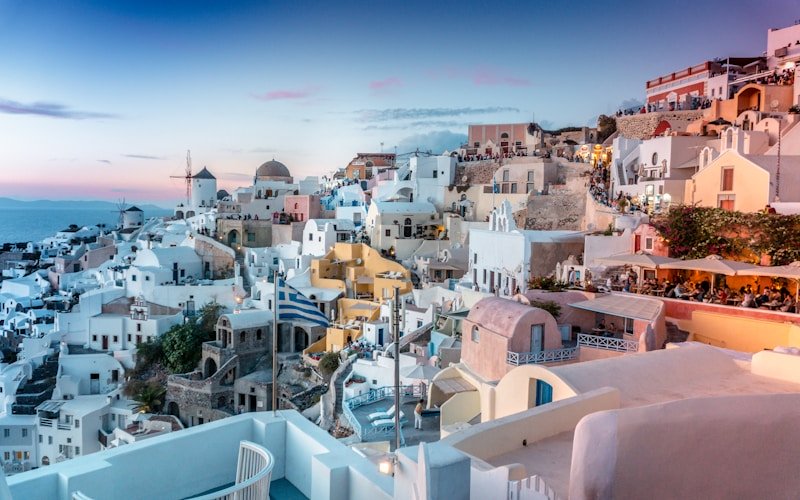
With 6,000 islands to choose from - about 200 of which are inhabited - Greece offers endless possibilities for exploration. This carefully crafted 2-week itinerary balances iconic highlights with hidden gems, vibrant nightlife with peaceful villages, and ancient ruins with pristine beaches. Days 1-2: Athens Start with the Acropolis and its museum, then explore the charming Plaka neighborhood. Eat souvlaki at Kostas in Syntagma Square (cash only, always a queue) and watch sunset from Philopappos Hill. Athens deserves more time, but two days cover the highlights. Days 3-5: Mykonos Take the morning ferry from Piraeus (5 hours) or a 30-minute flight. Explore the iconic windmills and Little Venice at sunset. Spend a day at Elia or Super Paradise beach. The nightlife here is legendary - dinner starts at 10 PM and the party continues until dawn. Days 6-8: Santorini The 2-hour ferry from Mykonos arrives in Athinios port. Base yourself in less-touristy Imerovigli for the best caldera views. Hike the trail from Fira to Oia (3 hours, stunning views), visit the Minoan ruins at Akrotiri, and eat at a vineyard overlooking the volcanic crater. Days 9-11: Naxos This underrated island is the best-kept secret of the Cyclades. Miles of sandy beaches (Plaka, Agios Prokopios), mountain villages, ancient marble quarries, and excellent local cheese and wine. It is bigger and greener than its neighbors, with a fraction of the tourists. Days 12-14: Crete The largest island in Greece deserves a trip of its own, but three days allow for the Palace of Knossos, the Venetian harbor at Chania, and the stunning Elafonisi beach with its pink sand. Cretan cuisine is the best in Greece: try dakos, lamb with stamnagathi, and local raki. Ferry Tips Book ferries via FerryHopper or directly with Blue Star Ferries. Buy tickets 2-3 weeks ahead in peak season (July-August). High-speed ferries cost more but save significant time. Business class seats are worth the upgrade on longer routes.

Read More arrow_forward
Must-Have Travel Gadgets and Gear for 2026
Travel Gear Dec 29, 2025

Must-Have Travel Gadgets and Gear for 2026

The right gadgets can transform your travel experience from stressful to seamless. After testing dozens of products across multiple trips, these are the travel tech essentials that earned a permanent place in our carry-on. Noise-Canceling Headphones The Sony WH-1000XM5 or Apple AirPods Max remain the gold standard for travel. Active noise cancellation turns a screaming baby three rows back into silence, while a full charge lasts 30+ hours. For budget travelers, the Sony WH-1000XM4 still performs excellently at a lower price point. Universal Power Adapter The Epicka Universal Adapter covers over 150 countries with four USB ports and one USB-C port. At just 100g, it replaces the need to carry multiple adapters. Pro tip: combine it with a short power strip to charge all your devices from a single outlet. Portable Power Bank The Anker 737 Power Bank packs 24,000mAh into a pocket-friendly size, enough to charge a phone 5-6 times or a laptop once. For weekend trips, the smaller Anker Nano 10,000mAh hits the sweet spot between capacity and portability at under 200g. Packing Cubes Compression packing cubes from Peak Design or Eagle Creek reduce clothing volume by up to 60%. Color-code them: tops in blue, bottoms in grey, underwear in small red cubes. You will never rummage through a messy suitcase again. Other Essentials AirTag/SmartTag - slip one in checked luggage for peace of mind Kindle Paperwhite - carry thousands of books in 200 grams Collapsible water bottle - rolls up to nothing when empty Travel towel - quick-dry microfiber, packs tiny Portable Wi-Fi hotspot or eSIM - stay connected globally

Read More arrow_forward
Best Winter Escapes for Sun Seekers in 2026
Seasonal Travel Dec 19, 2025

Best Winter Escapes for Sun Seekers in 2026

When grey skies and freezing temperatures set in, the dream of warm sand between your toes becomes irresistible. These destinations guarantee sunshine, warmth, and the perfect antidote to winter blues. Maldives December through April is the dry season in the Maldives, with average temperatures of 30 degrees Celsius and minimal rainfall. Over-water villas offer uninterrupted views of the Indian Ocean, while the warm, crystal-clear waters provide some of the best snorkeling and diving on the planet. Canary Islands, Spain Just four hours from most European cities, the Canaries offer year-round spring-like weather. Tenerife and Gran Canaria average 22 degrees in winter, with volcanic landscapes, black-sand beaches, and excellent hiking. As part of Spain, they are also remarkably good value for the quality of experience. Thailand November to February is the cool, dry season in Thailand - the best time to visit. Temple-hopping in Bangkok, night markets in Chiang Mai, and the pristine beaches of the southern islands are all at their finest. Budget-friendly luxury means your winter escape can include beachfront resorts and daily massages without guilt. Cape Verde This Atlantic archipelago off West Africa is fast becoming a favorite winter-sun destination for Europeans. With 350 days of sunshine a year, consistent trade winds for water sports, and a unique Creole culture, Cape Verde offers an exotic escape without the long-haul flight. Sri Lanka The west and south coasts enjoy perfect weather from December to March. Ancient temples, wildlife safaris, tea plantations, and surf breaks make Sri Lanka one of the most diverse winter destinations available. A two-week trip covering cultural and coastal highlights costs a fraction of comparable destinations.

Read More arrow_forward
Essential Travel Photography Tips for Beginners
Travel Tips Dec 09, 2025

Essential Travel Photography Tips for Beginners

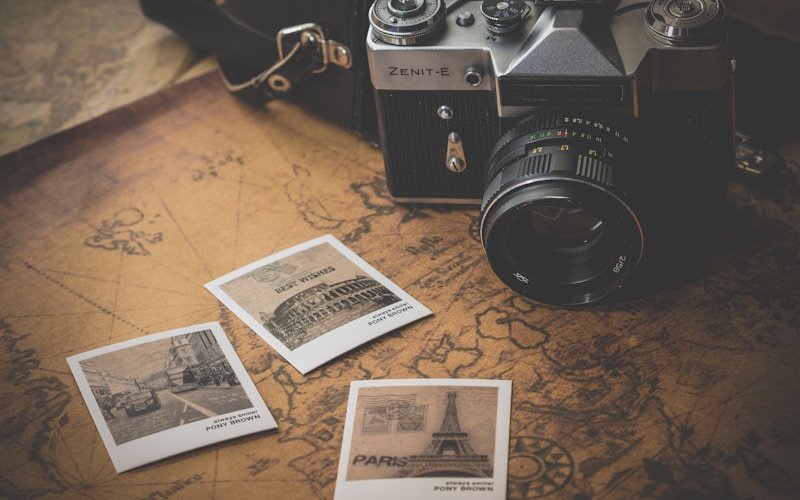
You do not need expensive equipment to capture breathtaking travel photos. Understanding a few fundamental principles of composition and light can transform your smartphone snaps into images worthy of framing. Master the Rule of Thirds Enable the grid overlay on your camera or phone. Place key subjects along the grid lines or at their intersections rather than dead center. This simple technique instantly adds visual interest and professional quality to your images. Chase the Golden Hour The hour after sunrise and before sunset bathes everything in warm, soft light that makes even ordinary scenes look magical. Plan your most important photo sessions around these times. Midday sun creates harsh shadows - use this time for indoor attractions or resting. Tell a Story The best travel photos capture more than pretty scenery - they tell a story. Include local people (with permission), street scenes, food, textures, and details. A wide shot of a market is good; a close-up of weathered hands arranging spices is better. Essential Gear A versatile zoom lens (24-70mm equivalent) covers most situations A lightweight tripod for low-light and long-exposure shots Extra batteries and memory cards - you will use more than you think A microfiber cloth for cleaning lenses in dusty environments A rain cover or waterproof bag for unexpected weather Smartphone Photography Pro Tips Modern smartphones rival dedicated cameras in many situations. Shoot in RAW or ProRAW mode for maximum editing flexibility. Use the 0.5x ultra-wide lens for dramatic landscapes and tight spaces. Clean your lens frequently - pocket lint and fingerprints are the enemy of sharp photos.

Read More arrow_forward
Ancient Temples of Southeast Asia: A Cultural Journey
Cultural Experiences Nov 29, 2025

Ancient Temples of Southeast Asia: A Cultural Journey

Southeast Asia is home to some of the most magnificent temple complexes in the world. Built over centuries by powerful empires, these architectural marvels continue to inspire awe and offer profound insights into the rich spiritual heritage of the region. Angkor Wat, Cambodia The largest religious monument in the world spans over 400 acres and took more than 30 years to build in the 12th century. Originally dedicated to the Hindu god Vishnu, it was later converted to a Buddhist temple. Arrive before dawn to witness the iconic silhouette reflected in the moat as the sun rises behind the five lotus-shaped towers. Borobudur, Indonesia This 9th-century Mahayana Buddhist temple in central Java is the largest Buddhist monument on earth. Its nine stacked platforms are adorned with 2,672 relief panels and 504 Buddha statues. Climbing from base to summit represents the Buddhist journey from desire to enlightenment. Bagan, Myanmar Over 2,000 temples and pagodas dot the plains of Bagan, built between the 9th and 13th centuries. Renting an e-bike to explore the archaeological zone gives you the freedom to discover lesser-known temples where you might be the only visitor. The sunset views from Shwesandaw Pagoda are legendary. Wat Pho, Bangkok, Thailand Home to the spectacular 46-meter Reclining Buddha, Wat Pho is the oldest and largest temple complex in Bangkok. Beyond the golden giant, the temple grounds contain 91 smaller chedis and is the birthplace of traditional Thai massage - you can receive one on-site after exploring. Visiting Tips Dress modestly: cover shoulders and knees at all temples Remove shoes before entering temple buildings Visit early morning for the best light and smaller crowds Hire a local guide to understand the historical and spiritual context Never point your feet at Buddha images

Read More arrow_forward

Page 1 of 2